The Role of Emotion in Gambling Decisions
Emotion plays a significant role in the decisions gamblers make when placing bets. When individuals step into a casino, they are often influenced by feelings of excitement and anticipation, creating a psychological atmosphere that can lead to impulsive wagering. In this context, exploring the fastest payout casinos can trigger a rush of dopamine, reinforcing the desire to continue betting, even when the odds are unfavorable.
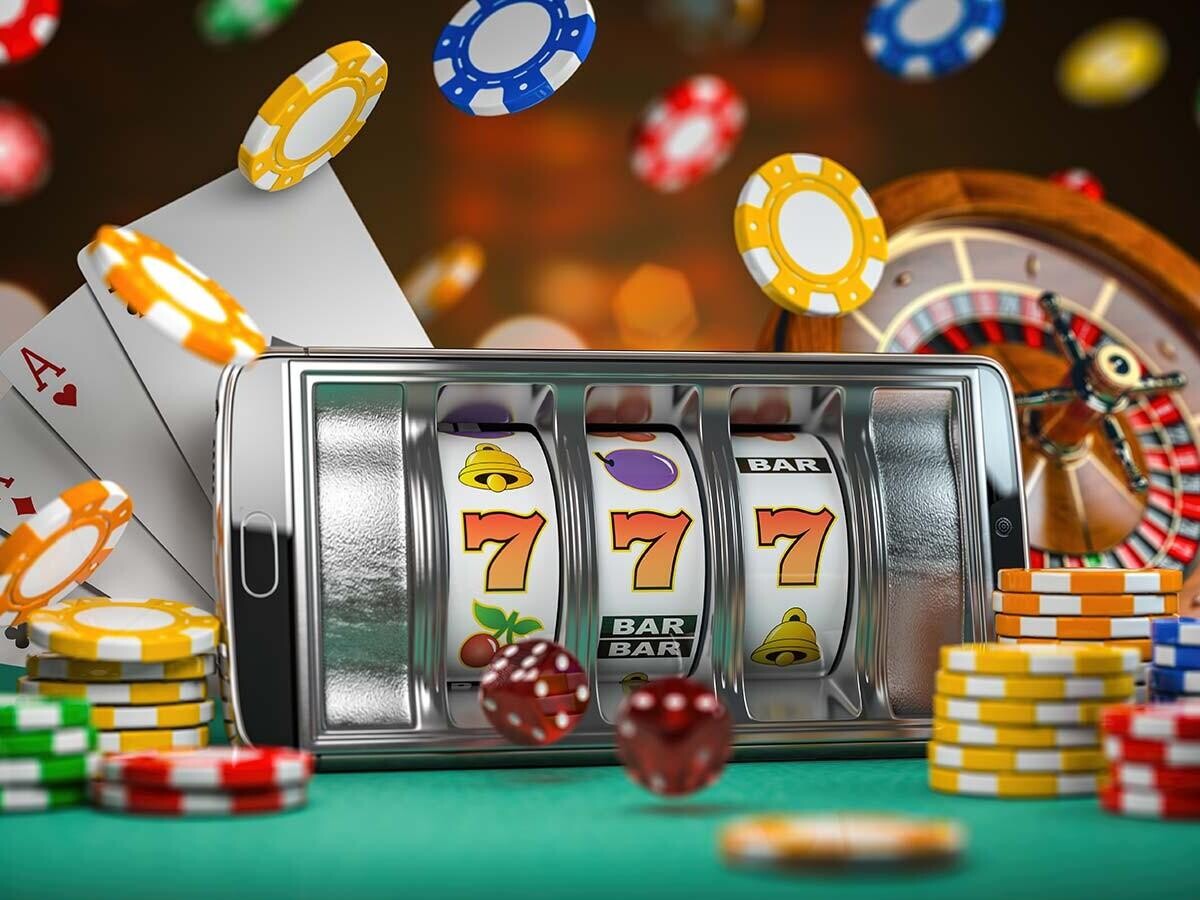
This emotional response can lead to what psychologists call “loss chasing,” where players feel compelled to recoup losses by betting even more. This cycle can cause individuals to lose rationality, prioritizing emotional satisfaction over strategic thinking. Understanding this emotional aspect is critical for developing effective betting strategies.
The Impact of Cognitive Biases on Betting Strategies
Cognitive biases can significantly affect how gamblers perceive their chances of winning. One common bias in casino environments is the “gambler’s fallacy,” which is the mistaken belief that past events influence future outcomes in games of chance. For example, players may believe that a slot machine is “due” for a payout after a series of losses, prompting them to increase their bets in hopes of a big win.
These biases often lead to irrational behavior, as players might disregard statistical probabilities. Understanding how cognitive biases work can help gamblers develop more objective betting strategies, allowing them to make decisions based on logic rather than emotional impulses.
The Influence of Social Dynamics in Casino Environments
The social aspects of gambling can significantly shape betting strategies. Casinos are designed to create a communal experience, with players often feeding off each other’s energy and excitement. This social interaction can lead to conformity, where individuals adjust their betting behaviors to align with the group, sometimes betting more than they typically would when alone.
Additionally, the presence of others can amplify the emotional highs and lows associated with gambling, making the experience more intense. Recognizing these social dynamics is vital for gamblers who want to maintain control over their betting strategies and make informed decisions amidst the thrill of the environment.
The Importance of Self-Discipline in Betting
Self-discipline is a crucial element for anyone looking to employ effective betting strategies. The lure of quick wins and the adrenaline rush associated with gambling can easily lead to poor decision-making. Establishing limits on spending and time can help individuals avoid the pitfalls of excessive gambling, encouraging a more strategic approach.
Moreover, self-discipline promotes reflection on past betting choices. By analyzing wins and losses, gamblers can adjust their strategies to align with their goals. This reflective practice fosters a mindset geared toward long-term success rather than short-term gratification.

Conclusion and Insights from This Site
This site serves as a comprehensive resource for understanding the complexities of casino betting strategies. By exploring various psychological factors, it aims to educate gamblers on how to make informed choices, emphasizing the importance of emotions, cognitive biases, and social influences. Through this knowledge, players can develop healthier gambling habits, leading to more enjoyable and responsible betting experiences.
In conclusion, the psychology behind casino betting strategies is intricate and multifaceted. By recognizing and addressing these psychological elements, individuals can navigate the gambling landscape more effectively, enhancing both their enjoyment and potential success within casinos.